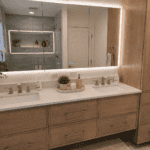

A bathroom may be one of the smaller rooms in a home, but remodeling one can involve a surprising number of decisions.
Behind the finishes are plumbing, electrical work, ventilation, waterproofing, storage, lighting, and sometimes structural considerations. In older New Hampshire homes, a renovation can also uncover years of previous repairs or construction that weren't visible before the project began.
At Old Oak Construction & Design, we believe the best bathroom renovations start with thoughtful planning. Before choosing tile or ordering a vanity, here are some of the most important things to consider.
Start With What Isn't Working
Before deciding what you want your new bathroom to look like, think about what isn't working in the existing space.
Is the shower too small? Is there nowhere to store towels? Does the door interfere with the vanity? Is the lighting poor? Does the room feel cramped even though there may actually be enough square footage?
Sometimes the solution isn't simply replacing everything in its existing location.
A thoughtful remodel may involve changing the layout, adjusting a doorway, replacing a tub with a shower, adding built-in storage, or finding a better way to use an awkward corner.
Start with function. The finishes can come later.
Decide Whether the Layout Should Change
Keeping plumbing fixtures in their existing locations can often simplify a bathroom renovation, but that doesn't mean the existing layout is always worth keeping.
Older bathrooms weren't necessarily designed around the way homeowners use them today.
Moving a vanity, toilet, tub, or shower may create a more comfortable layout, but it can also affect plumbing, framing, flooring, and the overall project cost.
That's why layout decisions should happen early.
Before construction begins, consider the relationship between every major element in the room—including how doors open, how much clearance you have around fixtures, and whether the space feels comfortable to move through.
Don't Overlook Ventilation and Moisture
Bathrooms create a lot of moisture, particularly during New Hampshire winters when opening a window isn't exactly appealing.
Good ventilation helps remove that moisture before it contributes to peeling paint, mildew, damaged finishes, or other problems.
An existing exhaust fan may also be undersized, poorly vented, or simply outdated.
When renovating a bathroom, it's worth looking beyond the visible finishes and considering how the room handles moisture as a whole.
The beautiful parts of the bathroom matter—but so does what's happening behind them.
Waterproofing Matters More Than the Tile
A beautiful shower is only as good as the system underneath it.
Tile and grout themselves shouldn't be treated as the primary waterproofing system. Proper preparation behind the finished surface is an essential part of building a shower or wet area that will perform well over time.
This is one area where craftsmanship you can't see after the project is finished matters tremendously.
The waterproofing, substrate, transitions, penetrations, drainage, and installation details all need to work together.
Choosing attractive tile is the fun part. Making sure everything behind it is built correctly is what helps protect the home.
Choose Flooring for a New Hampshire Bathroom
Bathroom flooring has to handle water, humidity, temperature changes, and everyday wear.
For many New Hampshire homeowners, comfort is another consideration.
A cold bathroom floor on a January morning isn't particularly inviting, which is why some homeowners choose to explore radiant floor heating as part of a renovation.
Because heating systems and flooring installation need to be coordinated, this is a decision that's best made during the planning stage rather than after the flooring has already been selected.
Whatever material you choose, consider durability, water resistance, maintenance, slip resistance, and how the flooring works with the rest of your home.
Think Carefully About Storage
Bathrooms often need to store much more than their size suggests.
Towels, toiletries, cleaning supplies, medications, hair tools, toilet paper, and everyday necessities all need somewhere to go.
Instead of automatically choosing the largest vanity that fits, think about how the storage will actually be used.
Drawers may be more practical than deep cabinets. A recessed medicine cabinet can add storage without taking up floor space. Built-in cabinetry or shelving can make use of an otherwise awkward area.
Good storage should make the bathroom easier to use without making the room feel crowded.
Plan the Lighting in Layers
A single ceiling fixture rarely provides ideal bathroom lighting.
A well-planned bathroom can combine general lighting with focused lighting around the vanity and additional lighting where needed.
Natural light can also make a tremendous difference, although privacy needs to be considered when adding or changing windows.
Electrical planning is particularly important in older homes, where existing wiring may need to be evaluated as part of a larger renovation.
Planning lighting, outlets, switches, mirrors, and cabinetry together helps prevent awkward placements later.
Think About Accessibility Before You Need It
You don't need to be planning an accessible bathroom to make choices that could make the room easier to use in the future.
A curbless or low-threshold shower, wider shower entrance, handheld shower fixture, comfortable clearances, thoughtful lighting, and properly placed blocking for future grab bars can all make a bathroom more adaptable.
Some of these features are much easier and less expensive to incorporate while the walls are already open.
Even if you never need them, many accessibility-minded design decisions simply create a more comfortable bathroom.
Older New Hampshire Homes Can Hold Surprises
One of the realities of remodeling an older home is that you don't always know exactly what's behind the walls until they're opened.
Previous renovations may have covered outdated plumbing, electrical work, water damage, unusual framing, or repairs completed decades ago.
That doesn't mean an older home should be avoided or that every renovation will uncover a major problem.
It simply means the project should be planned with some flexibility.
A contingency in the budget can help homeowners deal with unexpected conditions without having to compromise the parts of the renovation that matter most.
Consider the Rest of the Home
A remodeled bathroom shouldn't feel completely disconnected from the house around it.
That doesn't mean everything needs to match.
Instead, consider the home's architecture, age, flooring, trim, hardware, colors, and overall character when selecting materials.
This is especially important in older New Hampshire homes, where part of the charm may come from details that would be difficult to recreate today.
The goal can be to make the bathroom feel fresh and functional while still allowing it to belong in the home.
A Bathroom Remodel Is More Than New Finishes
It's easy to think about a bathroom renovation in terms of tile, vanities, fixtures, and paint.
But some of the most important decisions involve things you may never see once the room is finished.
Layout, plumbing, electrical work, ventilation, waterproofing, framing, lighting, and careful installation all contribute to how well the bathroom performs over time.
At Old Oak Construction & Design, we work with homeowners throughout the Lake Sunapee Region and Central New Hampshire on bathroom renovations and other home remodeling projects.
Whether you're refreshing an existing bathroom, reworking an inefficient layout, or completely rebuilding the space, our goal is to create a bathroom that feels thoughtful, functional, and built to last.
Built on Quality. Rooted in Integrity.